
5-Minute OSHA Compliance Guide, The Top-10 OSHA General Duty Clause Violations
Intended Audience: Business owners, mangers, supervisors and organization safety personnel.
The Problem:
Up to 10% of all the citations that OSHA issues cite the General Duty Clause, yet few people in the private sector fully understand its meaning and implications.
While the average monetary fine for a General Duty Clause citation will vary considerably with the organization’s size and severity of the violation, the current average is between $10,000 to $12,000.
General Duty Clause Definition:
OSHA 1904.5(a)(1) says “Each employer shall furnish to each of his employees employment and a place of employment which are free from recognized hazards that are causing or are likely to cause death or serious physical harm.”
In effect, The General Duty Clause is a catch-all requirement used when no specific OSHA standard applies to a recognized hazard.
What OSHA Has to Prove With a General Duty Clause Violation:
A specific hazard existed in the workplace that the employer failed to prevent or correct.
The hazard was identifiable by either the employer, through industry consensus standards or just plain common sense.
The hazard has the potential to cause employee death or serious injury,
There was a useful and feasible way for the employer to effectively control or eliminate the hazard.
Top-10 OSHA General Duty Clause Violations:
Employee activities with the potential for causing musculoskeletal disorders: OSHA does not have a musculoskeletal standard for general industry and will use the General Duty Clause for work hazards that can cause such injuries as strains, sprains, tendinitis or repetitive motion.
Workplace violence: OSHA does not have a specific standard addressing workplace violence and will issued General Duty Clause citations with perceived employer failures to prevent death or injury to victims of violence in the workplace.
Housekeeping: While some OSHA standards specifically address housekeeping requirements, many do not. OSHA uses the General Duty Clause to fill in these regulatory gaps when poor housekeeping presents a tripping hazard or endangers worker emergency evacuation.
Failure to have stop buttons on conveyor lines: Used when employees can be exposed to serious injuries while working around conveyor lines without emergency stop features.
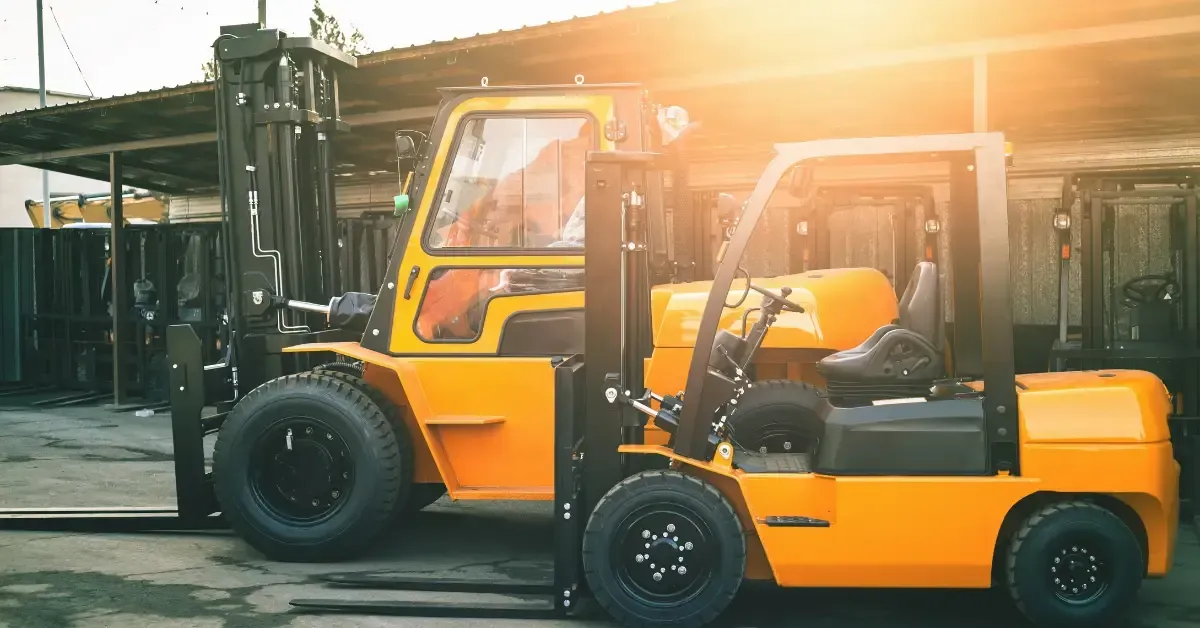
Failure to use seatbelts on forklifts: The OSHA Standard covering powered industrial trucks, including forklifts, does not address the need for seatbelts. OSHA uses its Directive CPL 02-01-028, that states that failure to require and enforce seat belt use by workers on forklifts so equipped with them can be cited under the General Duty Clause.
Missing safety latches on hoist load hooks: OSHA does not a standard directly addressing safety catches that serve to secure the load to a lift hook. Thereby protecting personnel from materials dislodging from the lift hook. OSHA can cite the employer under the General Duty Clause for failure to ensure hooks are equipped with and using functional safety latches.
Using damaged ladders: While OSHA has General Industry and Construction Standards on ladder safety, their inspectors can issue a citation when they specifically don’t apply to the hazard at hand. This particularly applies to home-made or unique ladders.
Workers in the proximity of damaged material storage racks: OSHA does not have a specific standard on the structural integrity of storage racks and will turn to the General Duty Clause as the most common hazard associated with material storage racks is that of damaged support legs caused by impacts from forklifts.
Personnel not wearing reflective clothing: OSHA will cite employers for not having reflective or high visibility clothing using the General Duty Clause when their workers are exposed to vehicular or mobile equipment traffic.
Operating an all-terrain vehicle (ATV) without the proper PPE or training: OSHA does not have a specific ATV standard forcing their inspectors to resort to the General Duty Clause with the safety hazards associated with ATVs. The use of ATVs as a worker conveyance is common in agriculture, construction, oil & gas and utility work.
Actual OSHA General Duty Clause Citations:
“The employer did not furnish employment and a place of employment which was free from recognized hazards that were causing or likely to cause death or serious physical harm to employees, in that, employees were exposed to a fall hazard of approximately 6 feet 10 inches to the ground below while ascending and descending a metal single (straight) ladder for the picker station platform.”
“The employer did not furnish employment and a place of employment which were free from recognized hazards that were causing or likely to cause death or serious physical harm to employees: a. On or about February 4, 2025, at the recycling site: the employer exposed employees to crushed-by and struck-by hazards in that employees operating the Toyota 7FGU25 forklift were not required to wear a seat belt or other means of restraint.”
“On March 21, 2025, and at times prior, the employer exposed employees to struck-by hazards, in that the industrial storage rack labeled "AJ54" featured a throughway with a bent and damaged upright post that employees used to access other aisles in the storage area.”
Best Employer Practices for Avoiding OSHS General Duty Clause Violations:
Managers and supervisors who understand OSHA’s definition of the General Duty Clause.
Conduct workplace inspections that aren’t exclusively based on existing OSHA regulations.
Use the time-tested procedure of conducting Job Safety Analysis (JSA) to identify hazards associated with individual job tasks.
Document employee training on workplace hazard recognition and reporting.
Research into industry-specific consensus standards, such as workplace violence prevention in retail, fast food, convenience stores, and healthcare settings.
Final Takeaway:
The General Duty Clause is a very powerful OSHA enforcement tool that fills regulatory gaps in existing OSHA Standards and ensures employers still protect workers even when a specific standard doesn’t apply to an existing hazard.
