Business Solutions for the Real World
Give us a call to get started! 304.935.2002

Business Solutions for the Real World
Give us a call to get started! 304.935.2002

Skilled Nursing Facility Insurance
Energy and
Manufacturing
Industry Expertise
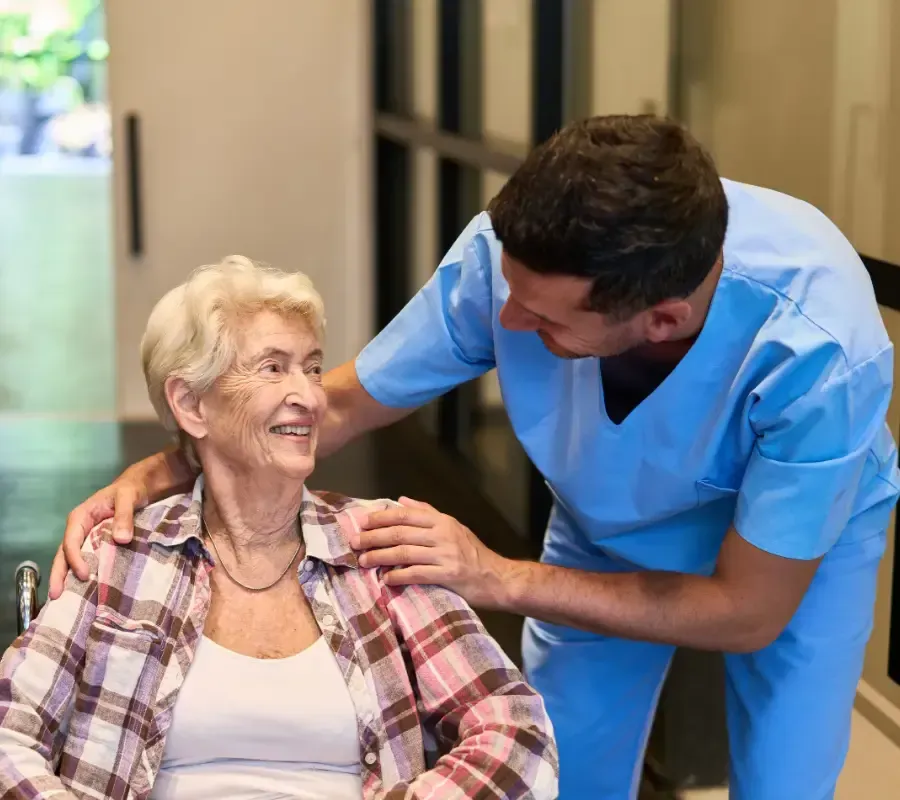
Skilled nursing facilities operate at the intersection of medical care and long-term residential services —a complex environment that demands insurance coverage built for that complexity. Standard commercial policies are rarely adequate. SNF-specific programs are. Centurion Insurance Services works with skilled nursing facilities across the country to design and manage comprehensive insurance programs. As an independent agency, we represent multiple carriers and advocate for your facility through every renewal and claim.
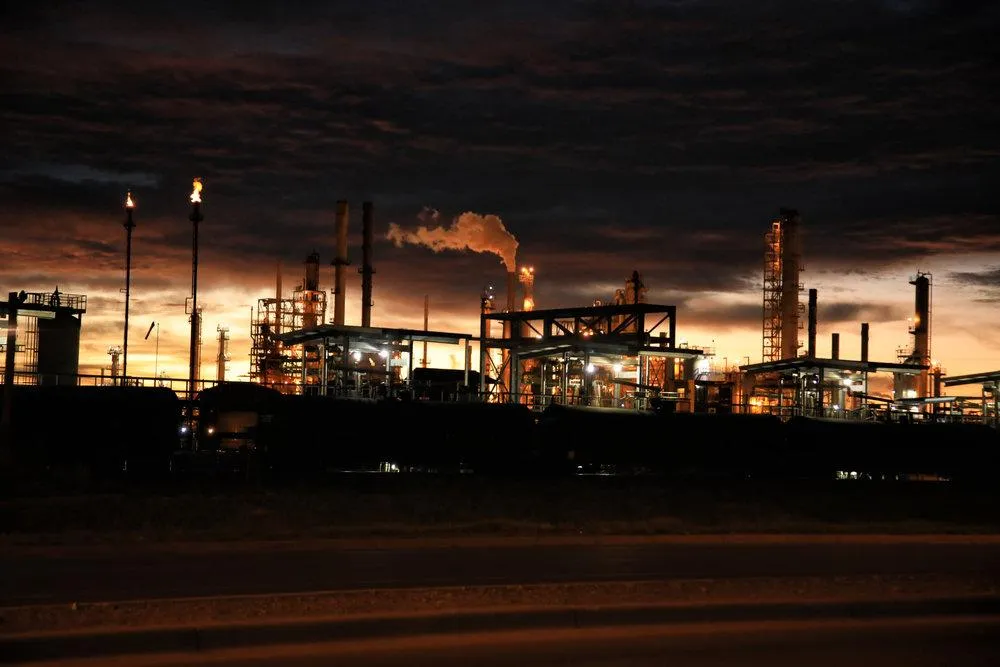
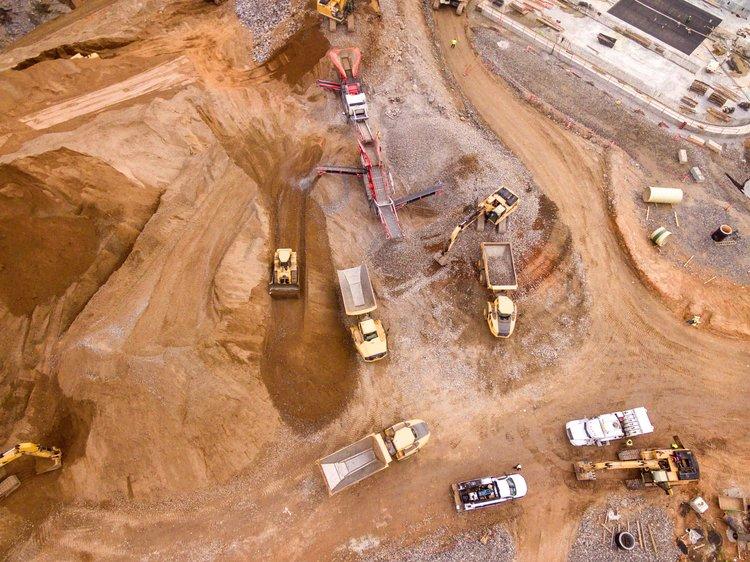
Conditions change daily in the energy and manufacturing industries. Factors including economic demand, global trading markets, government regulations and political climates create volatility. Although we cannot control the possibilities afforded by these changes, we can control how we respond to them. Centurion understands the realities of these fluctuating conditions and how to help your business respond.
One of the best responses to volatility is advocacy – having an insurance team who will help you navigate an ever-changing landscape. Our team members dig deep to understand our client partners and their business needs. We pair our expertise with knowledge of your business to create innovative insurance solutions for each client. Most importantly, Centurion will be there to support your company when you need us.
The Centurion Advantage
OUR EXPERIENCED TEAM of energy and manufacturing industry professionals provides best-in-class claim handling, including executives who have managed eight-figure casualty and property losses.
OUR TEAM OF INDUSTRY VETERANS will market your insurance program using their knowledge of key insurance carriers, both domestic and international, and create a customized plan for your company.
WE LEARN YOUR ORGANIZATION’S culture and operations to understand your unique exposures and appetite for risk. We become an extension of your in-house risk management department.
WE REVIEW ALL MSA and contracts to verify insurance program programs support indemnification as agreed. We also handle all ISNetworld insurance issues, including uploading Certificates of Insurance.
OUR IN-HOUSE LOSS CONTROL SPECIALIST will help you implement an effective day to day loss prevention program, and customize a risk management program to help achieve your objectives.
The Unique Risk Profile of Skilled Nursing Facilities
SNFs face greater liability exposure than most other healthcare settings. Residents typically have higher acuity, more complex medical needs, and greater physical vulnerability than those in assisted living. That translates directly into more frequent and more severe claims. Key exposures include:
Medical professional liability — claims arising from nursing care, wound care, rehabilitation services, medication management, and discharge planning
General and premises liability — resident falls, elopement incidents, and visitor injuries
Abuse and neglect liability — one of the most litigated areas in long-term care
Workers’ compensation — high injury rates among CNAs, nurses, and therapy staff
Commercial property — buildings, medical equipment, EMR systems, and contents
Cyber liability and HIPAA exposure — SNFs are a frequent ransomware target due to the value of health records
Employment practices liability (EPLI) — wrongful termination, harassment, and wage-and-hour claims in a labor-intensive environment
Directors and officers — management decisions, regulatory compliance failures, and board liability
Core Coverage Components for SNFs
Professional Liability (Medical Malpractice)
The most critical coverage for any SNF. Protects the facility and its clinical staff against claims of negligent care. Should include coverage for certified nursing assistants, licensed practical nurses, registered nurses, and contracted therapy providers.
Commercial General Liability
Protects against non-professional bodily injury and property damage claims. Works in tandem with professional liability — not as a substitute for it.
Abuse and Neglect Coverage
Claims involving resident abuse are among the costliest in long-term care. Make sure this coverage is explicit, not assumed.
Property and Equipment Coverage
SNFs operate with significant capital investments in medical equipment, therapy equipment, and facility infrastructure. Coverage should reflect actual replacement value.
Workers’ Compensation
Required in virtually every state. Critical in SNFs where musculoskeletal injuries among direct care staff are common.
Umbrella/Excess Liability
Given the severity of potential claims in a skilled nursing environment, excess liability coverage provides an important additional layer of protection.
What to Look for in an SNF Insurance Program
Not all SNF policies are created equal. When reviewing your current coverage or a new proposal, ask: Does the professional liability policy cover all clinical staff, including contracted or agency staff? Is abuse and neglect explicitly included, and at what limit? Does the policy respond on an occurrence or claims-made basis? Are there sublimits on specific claim types — and are those sublimits adequate?
What risk management resources does the carrier provide? These are the questions we ask on your behalf.

Frequently Asked Questions
What is claims-made vs. occurrence coverage for SNFs?
Claims-made policies cover claims reported during the policy period. Occurrence policies cover incidents that happened during the policy period, regardless of when the claim is filed. Most professional liability policies for SNFs are claims-made, which means you need tail coverage when you switch carriers or close.
What is tail coverage and do I need it?
Tail coverage (also called extended reporting period coverage) protects you against claims filed after your claims-made policy ends for incidents that occurred while the policy was active. If you switch carriers or close your facility, tail coverage is essential.
How does facility size affect premium?
The number of licensed beds is one of the primary rating factors. Other key drivers include location, claims history, payor mix, occupancy rate, and staff-to-resident ratios.
Do you work with nonprofit SNFs?
Yes. We work with both for-profit and nonprofit skilled nursing facilities and can address the unique insurance needs of nonprofit boards and operations.
How do I get started?
Call us at 304.993.8393 or contact us online. We’ll conduct a complimentary coverage review and deliver a competitive quote from multiple carriers.
Protect the care you provide.
Schedule a consultation with a Centurion Insurance Services specialist today.
SIGN UP FOR OUR NEWSLETTER
(We do not share your data with anyone, and only use it for its intended purpose)

Phone: 304.935.2002
Address: 1001 Virginia St. East, Suite 100, Charleston, WV 25301
© Copyright 2026 | Centurion Insurance Services

Energy and Manufacturing Specialized Services
Our custom services include:
● Primary General Liability, Commercial Auto and Workers’ Compensation
●Excess Workers’ Compensation
●Construction liability
●Public and products liability, and onshore and offshore liability
●Customized general liability including time element pollution extension, contractor’s pollution liability, owned and non-owned watercraft
●Full umbrella coverage and extensions
●Global Programs
●Claims
●Dedicated Loss Control
Energy and Manufacturing Expertise
Our team of industry veterans has experience in:
●Binding Authorities
●Heavy Industry
●Locally Admitted Policies
●Manufacturing
●Mining
●Oil and Gas
●Product Supply